
REVIEW · DARWIN
Darwin: Mary River Wetlands Wildlife Cruise with Lunch
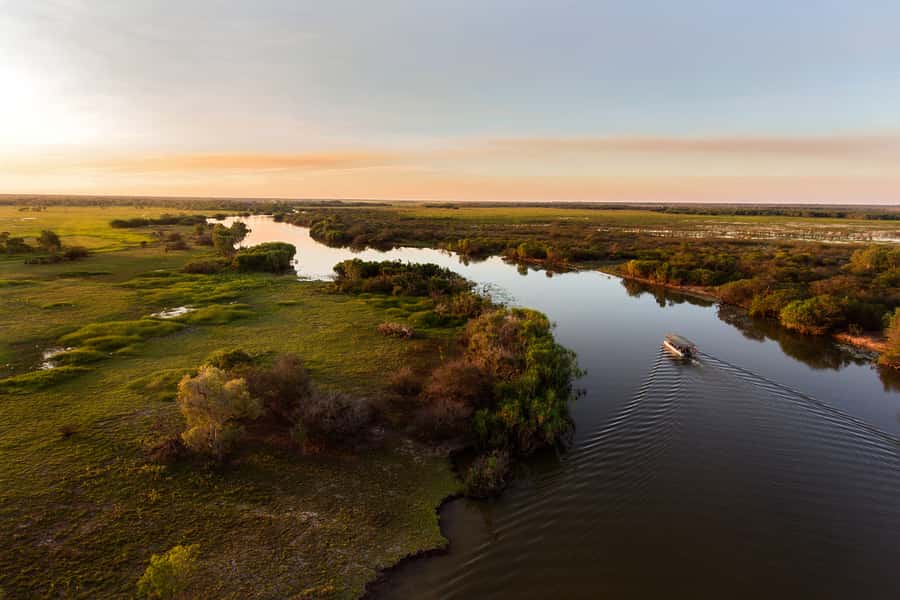
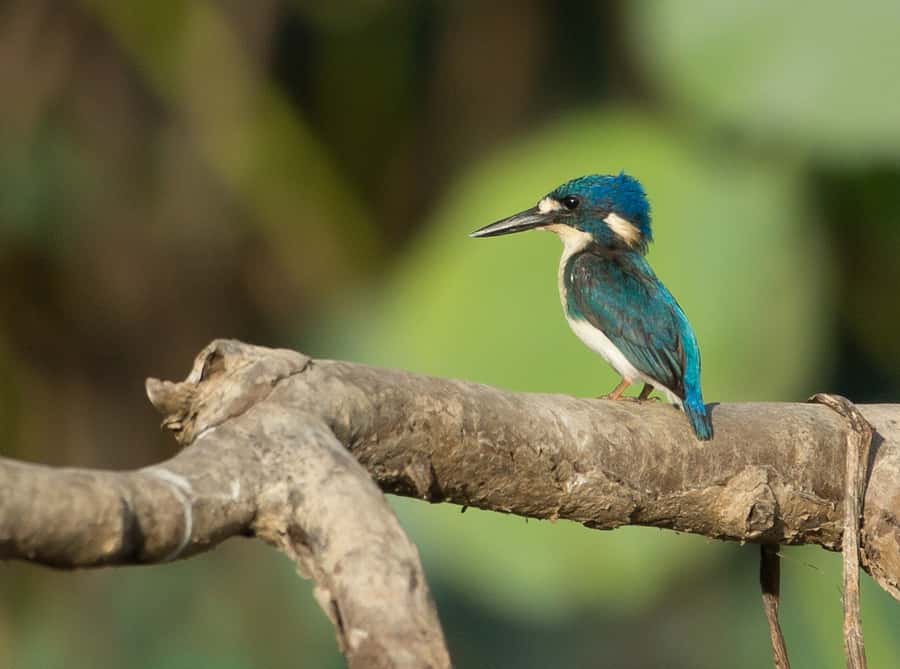
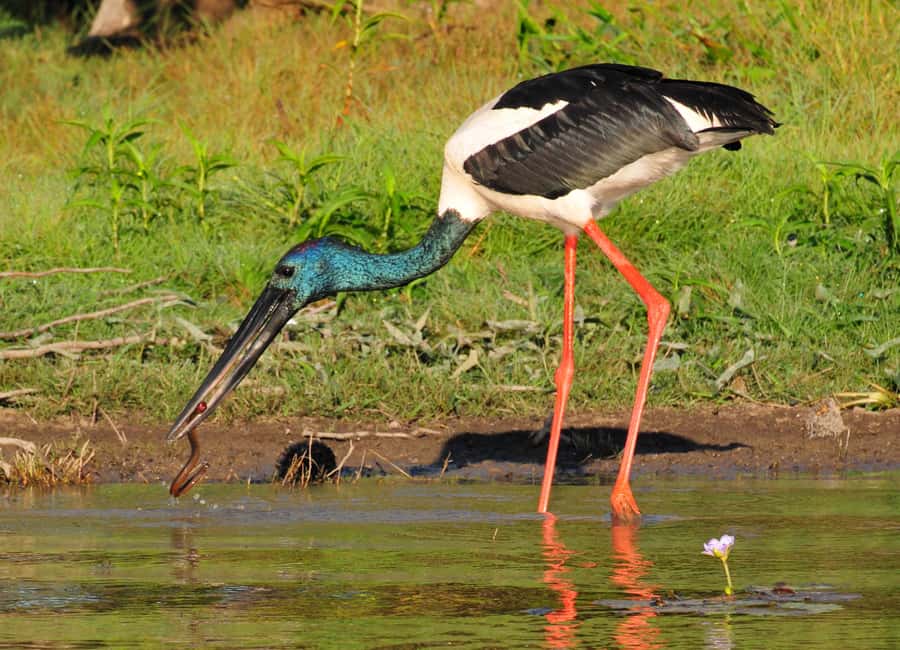
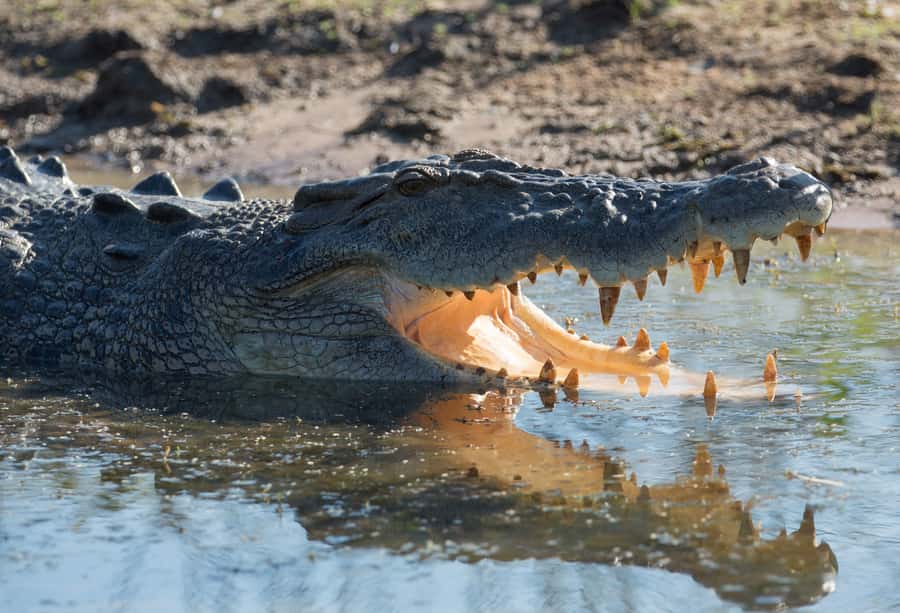
The big draw here is the 2.5-hour open-air cruise through the Mary River Wetlands, one of the best places near Darwin to see crocodiles and birds in their natural setting. You are not watching animals perform tricks. You are scanning the water, lilies and reeds while your guide points out a motionless croc or a jabiru that you might otherwise miss.
I like the way the day combines three different views of the Top End: the former rice fields at Fogg Dam, the high lookout at Window on the Wetlands, and the water-level cruise. I also like the guides’ broad commentary, which can cover Darwin, Cyclone Tracy, Indigenous culture, local ecology and wildlife without turning the ride into a lecture.
The main consideration is the long day and the road time. The return drive from the wetlands takes just under 90 minutes, and some passengers have found the older minibus seats cramped. Fogg Dam can also feel brief if the cruise runs to schedule, so book this for the wildlife and guiding rather than for a leisurely stop at every site.
Key points to know before you book
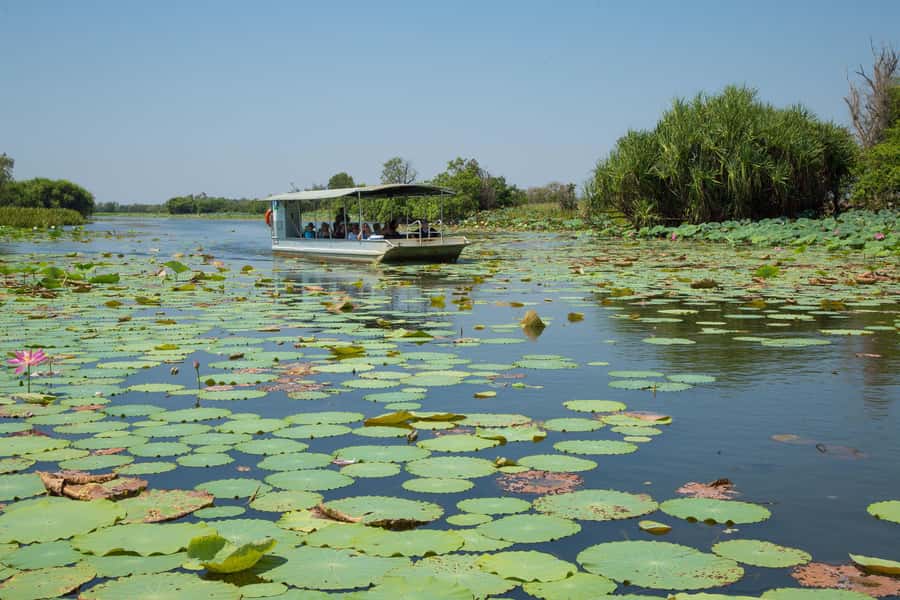
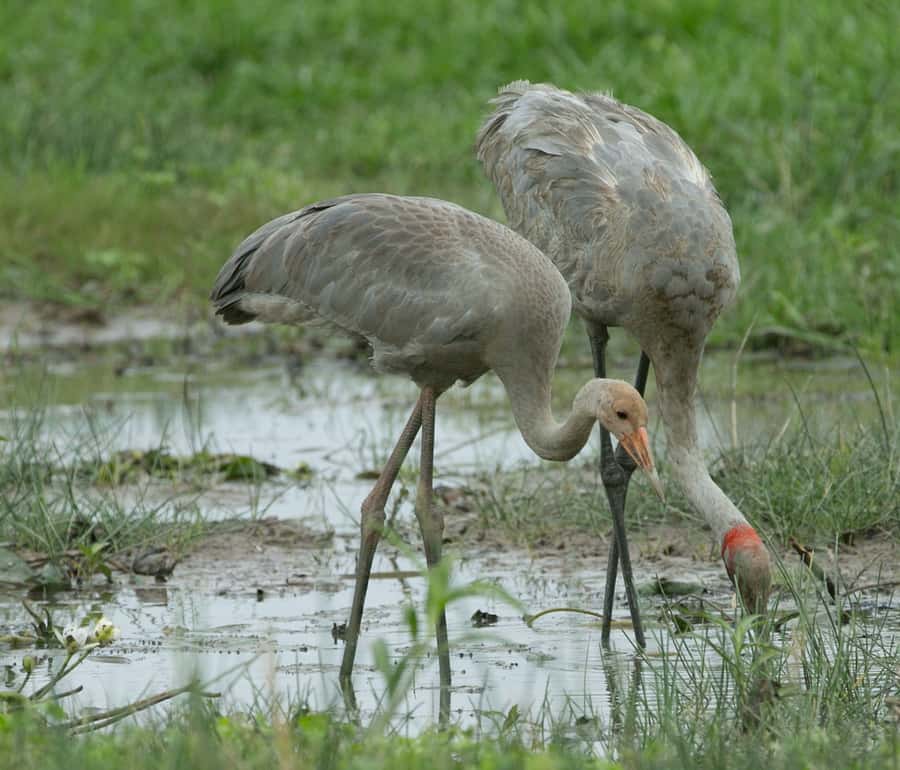
- About 30 bird species are commonly seen: Look for jabirus, sea eagles, brolgas and other wetland birds.
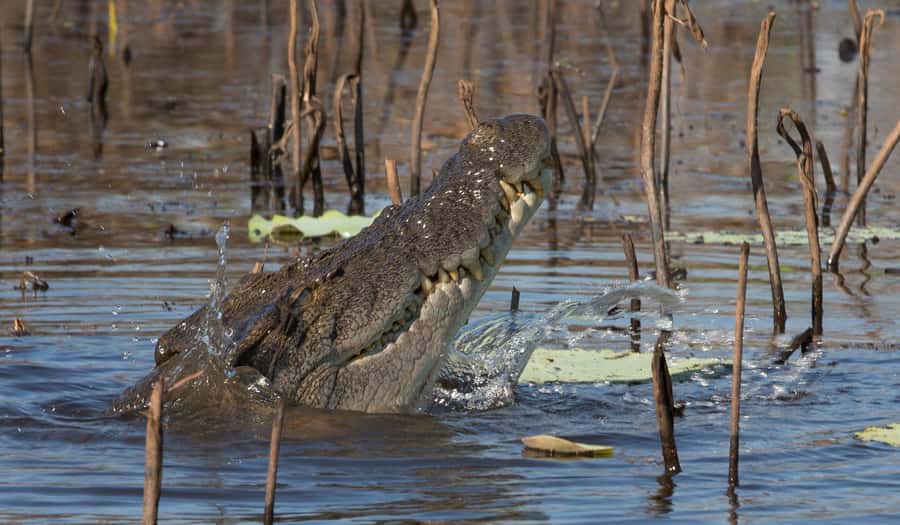
- Both saltwater and freshwater crocodiles may appear: The Mary River area is noted for its large crocodile population.
- The cruise is open-air and lasts 2.5 hours: Bring a hat, sunscreen, sunglasses and a camera.
- Guides do much of the heavy lifting: Evan, Cam, Richard, Paul and Luke have all been praised for clear commentary and sharp wildlife spotting.
- Lunch is served on the wetlands: Expect cold salads, sliced meats, bread and iced water.
- The group stays relatively small: The vehicle holds up to 20 people, while the cruise vessel holds up to 29.
Why the Mary River Wetlands cruise is the main event
This is a full-day nature outing from Darwin, but the cruise gives the day its purpose. For 2.5 hours, you travel through wetland channels in an open-air vessel with unobstructed views from the sides. That matters when wildlife appears suddenly. You can turn, stand or shift your view more easily than you could in a fully enclosed boat.
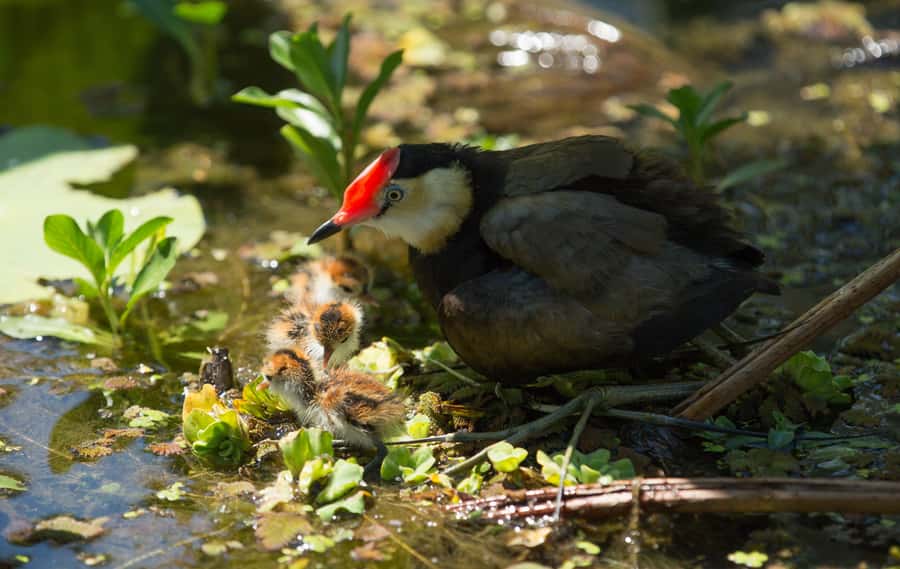
The water is the star, but it is not empty scenery. Crocodiles may sit at the edge of the channel, barely moving except for an eye or a slow turn of the head. You may also see water buffalo, lotus flowers, jabirus, sea eagles and smaller wetland birds. The exact sightings are never guaranteed, yet this is a strong setting for wildlife because the animals are living in their own habitat rather than gathering around a feeding platform.
I especially like the way the guides handle the wildlife. Their job is not just to point and name. Guides such as Evan and Cam have been praised for spotting animals first, helping everyone get a clear view, and explaining how the plants, water and animals fit together. That turns a simple boat ride into a lesson in how a floodplain works.
The vessel carries a maximum of 29 passengers, so this is not a private boat. Still, it has a more personal feel than a large sightseeing cruise. The small-group format gives you room to ask questions, and the guide can usually respond to what the group is seeing at that moment.
More Lunch Cruises in Australia
- Seafood Lunch Cruise
★ 5.0 · 914 reviews - Sydney: Harbour Cruise with Buffet Lunch
★ 4.7 · 804 reviews - Gold Coast: Sightseeing Cruise with Buffet Lunch
★ 4.8 · 593 reviews
Fogg Dam, from rice project to bird habitat
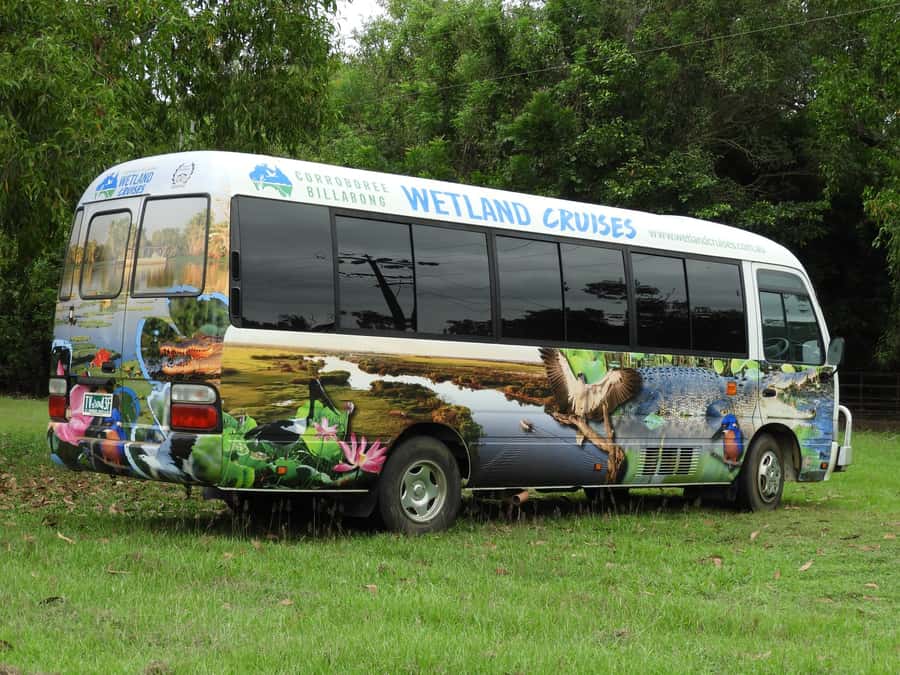
Your day begins with pickup from your Darwin hotel at about 9:00 AM. The air-conditioned vehicle holds up to 20 passengers, and the drive is part of the tour rather than dead time. Guides provide commentary on Darwin, the surrounding country, local events and the region’s past.
Fogg Dam has an unusual starting point. It was created in the 1950s as part of a large rice-growing project. The plan did not become the farming success once hoped for, but the dam became valuable for birds and other wildlife. Today, it gives you an early look at the Top End’s wetland system before the boat cruise.
This stop is useful because it lets you see the setting from land. You may spot birds around the water and get a sense of the broad, open floodplain. The experience is less concentrated than the cruise, so do not expect every minute to be packed with sightings. Bring binoculars if you have them. They are listed among the recommended items and can make distant birds much easier to identify.
Time at Fogg Dam can vary with the day’s schedule. The cruise is the fixed centerpiece, and one excursion had to shorten the stop after a vehicle problem. If Fogg Dam is a major priority for you, ask about the timing when you book. If your main goal is crocodiles and birds from the water, a shorter land stop is less of a concern.
A wide view from Window on the Wetlands
A short drive brings you to the Window on the Wetlands Visitor Centre. The centre has hands-on displays explaining how wetlands function, followed by an upper viewing deck overlooking the Adelaide River floodplains.
This stop adds useful context. From the deck, you can see how much water shapes the region and why the same area can look so different across the wet and dry seasons. The exhibits also help you understand the connection between plants, birds, reptiles and floodplain water before you board the boat.
I would treat this as an orientation stop, not a full museum visit. The centre is included because it explains the setting you are about to enter. If you prefer wildlife watching to displays, you will probably be ready for the cruise by the time you leave the viewing deck.
The higher viewpoint also gives your eyes a break from looking across water at ground level. The day works well as a progression: first a former agricultural project, then an explanatory centre, then close views from the wetland itself.
What lunch is like on the boat
Lunch is a cold meal served during the wetland cruise. The standard offering includes individual pre-packed fresh salads with dressings, cold sliced meats and bread. You can make sandwiches if you prefer, and iced water is provided.
The portions sound generous enough for a full day outdoors. Several people have described the lunch as substantial, while others have called it simple but adequate. That is the right expectation. This is a practical picnic-style meal, not a restaurant lunch.
The meat selection can include beef, ham and salami. If you eat vegetarian food, the salad and bread should provide something to eat, but one vegetarian meal was described as adequate rather than memorable. If you have strict dietary needs, check before booking because the supplied information does not promise a special menu.
Eating on the boat is part of the appeal. You can have lunch while watching the water and wildlife instead of losing more time to a separate dining stop. The open-air setting also means sun, heat and occasional breeze are part of the meal, so use sunscreen and keep your water nearby.
Same water, a different table:
- Airlie Beach: Whitehaven Full-Day Eco-Cruise with Buffet
★ 4.8 · 2,644 reviews - Spirit of Melbourne Dinner Cruise on the Yarra River
★ 4.5 · 1,470 reviews - Sydney Harbour Sunset Dinner Cruise from Darling Harbour
★ 4.0 · 1,122 reviews - Sydney: Harbour Dinner Cruise with 3, 4 or 6-Course Menu
★ 4.4 · 925 reviews
The guiding is a major part of the value
A wildlife cruise can be disappointing if the guide simply names whatever happens to pass by. This tour earns much of its value through the commentary before and during the cruise.
Different guides are named in the feedback, including Evan, Cam, Richard, Paul, Luke and Meat, a nickname used for one guide. Evan received especially warm praise for combining wildlife knowledge with humor, safety reminders and information about Darwin’s past. Cam was noted for spotting birds, crocodiles and buffalo while keeping the group informed on the road. Richard was praised for clear explanations and helping people find wildlife.
You should expect commentary on local plants, birds, crocodiles, ecology, weather, Darwin’s history and Indigenous culture. Topics may include Cyclone Tracy, World War II, national parks and the history of the Northern Territory. The best part is that the information relates to what you are seeing, rather than arriving as a string of unrelated facts.
Guiding quality can vary from one departure to another because different people lead the day. Still, the repeated strength of the experience is the local staff’s ability to drive, explain, spot wildlife and keep the group moving. That is important on a long day where the guide shapes the tone from hotel pickup to return.
What to bring for better wildlife viewing
Pack light, but bring the things that make outdoor viewing easier:
- Sunglasses and a sun hat
- Sunscreen
- Camera
- Binoculars
- Reusable water bottle
A camera with a useful zoom will help. Crocodiles may be close, but birds can be further across the water. Binoculars are not essential, yet they can turn a distant shape into a recognizable bird.
The vessel is open to the air, which gives you better viewing and photographs. It also exposes you to the Top End sun. A hat with a secure fit, sunglasses and sunscreen are more than nice extras here.
Wear clothing that suits a full day outdoors. The vehicle is air-conditioned, while the boat is open and breezy. That contrast is worth remembering when you dress for the morning pickup.
How comfortable is the transport?
Pickup is from your selected Darwin hotel at around 9:00 AM, with return expected at about 5:00 PM. One pickup arrived roughly 30 minutes late, though the operator called ahead. You should wait outside the hotel or in the lobby and keep water and a small snack ready in case the morning runs behind.
The bus is air-conditioned, which is welcome in the Northern Territory. Comfort is not perfectly consistent. Some people found the vehicle comfortable, while another described an older bus with cramped seats. If you are tall or have trouble sitting for long periods, this is worth weighing before you reserve.
There is a fair amount of road time, especially on the return journey. The tradeoff is that you avoid arranging a rental car, navigating unfamiliar roads or planning the stops yourself. The guide also fills the drive with regional commentary, so the transfer becomes part of the day’s education.
The boat itself tends to be the more comfortable part of the outing. It is shaded and catches a cooling breeze on the water, although you should still prepare for strong sun.
Is the $166 price fair?
At $166 per person, the tour is not the cheapest way to spend a day near Darwin. But the price includes hotel pickup and return, air-conditioned transport, both land-based stops, a 2.5-hour cruise, lunch, iced water and a live English-speaking guide.
The value is strongest if you want a complete day without renting a car. You are paying for access to the wetlands, but also for someone to explain what you are seeing and locate wildlife that could be easy to miss on your own. A guide who can point out a crocodile hidden among reflections or a bird at the far edge of the water adds real value.
It also helps that the boat ride is long enough to feel substantial. A short cruise can leave you wanting more, especially after the drive from Darwin. Here, the 2.5-hour water portion is long enough for the group to settle into the rhythm of watching, listening and moving through different parts of the wetland.
The value is less convincing if you dislike long transfers, group schedules or outdoor heat. You will also want to compare the price with any other crocodile or wetlands activity you plan to book. For one well-organized day that combines scenery, wildlife, lunch and transport, the price is reasonable.
Who should book this day trip?
I would recommend it most strongly to bird lovers, first-time visitors to Darwin and anyone who wants to see the Top End beyond the city. You do not need expert wildlife knowledge. The guides make the experience accessible, and the Window on the Wetlands displays give you a simple introduction to the ecosystem.
It also suits photographers who value an open-air boat and varied subjects. Crocodiles, birds, buffalo, lilies and broad floodplain views offer more variety than a single-purpose animal encounter.
Families should note that the tour is not recommended for children under five. It is also not suitable for wheelchair users, and the stated maximum passenger weight is 309 pounds, or 140 kilograms. These are important practical limits, not minor details.
You may want a different outing if your priority is a slow, private visit to Fogg Dam. The schedule has several parts, and the cruise is the main focus. You may also want to skip it if you are uncomfortable around crocodiles, though the boat includes safety guidance and the animals remain in their natural setting.
Should you book the Mary River Wetlands cruise?
Book it if you want one full day that delivers crocodiles, birds, wetland scenery and useful local context without having to organize the details yourself. The strongest reasons are the long cruise, open-air viewing and guides who bring together wildlife, ecology and Northern Territory history.
Go in with sensible expectations. Wildlife is never guaranteed, Fogg Dam may feel short, lunch is simple, and the minibus may not suit everyone. But for $166, you get a well-filled eight-hour outing with transport, lunch and a substantial cruise. If seeing the Mary River Wetlands is high on your Darwin list, this is a practical and rewarding way to do it.
FAQ
How long is the Mary River Wetlands tour from Darwin?
The experience lasts about eight hours. Pickup is around 9:00 AM, with return to your Darwin accommodation at approximately 5:00 PM.
What wildlife might I see?
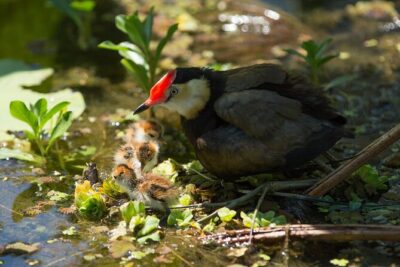
You may see saltwater and freshwater crocodiles, water buffalo, jabirus, sea eagles, brolgas, lotus flowers and many other wetland birds. The cruise generally provides the chance to see about 30 bird species.
Is lunch included?
Yes. Lunch includes fresh individual salads with dressings, cold sliced meats, bread and iced water. You can make sandwiches if you wish.
How many people are on the tour?
The air-conditioned vehicle holds a maximum of 20 passengers. The open-air cruise vessel holds up to 29 passengers.
What should I bring?
Bring sunglasses, a sun hat, sunscreen, a camera, binoculars and a reusable water bottle.
Is the tour suitable for children and wheelchair users?
The tour is not recommended for children under five and cannot accommodate wheelchair users. It is also not suitable for people over 309 pounds, or 140 kilograms.
More Wildlife Trips in Australia
- Rockingham: 3 Island Wildlife Snorkeling Cruise with Lunch
★ 4.6 · 47 reviews - Perth: Dolphin, Sealion & Wildlife Cruise with Lunch
★ 4.9 · 14 reviews - From Nidri: Marine Wildlife Cruise with Lunch and Swim Stops
★ 4.9 · 109 reviews - Sandakan: Kinabatangan River Wildlife Cruise with Lunch
★ 4.2 · 5 reviews
More River Dinner Cruises in Australia
- Strahan: Gordon River Cruise with Lunch & Sarah Island Walk
★ 4.8 · 382 reviews - Adelaide Hills Tour with River Murray Lunch Cruise
★ 4.5 · 374 reviews - Perth: Swan River Lunch Cruise
★ 4.7 · 301 reviews - Swan River Dinner Cruise
★ 4.5 · 270 reviews
Just added around Australia
- Wilsons Promontory: Whale Spotting Cruise with Lunch★ 4.9 · 20 reviews
- Sydney: Vivid Festival of Light Harbor Cruise with Dinner★ 4.5 · 120 reviews
- Tweed Heads: Tweed River and Rainforest Cruise with Lunch★ 4.8 · 91 reviews
- Sydney Harbour Progressive Long Lunch Cruise★ 5.0 · 19 reviews
- Sydney Harbour View Lunch Cruise from Circular Quay★ 4.5 · 7 reviews
- Sydney Harbour Discovery Dinner Cruise Scenic Sights and Buffet★ 4.0 · 8 reviews
- Sydney Harbour: 2h Glass Boat Dinner Cruise with Wine Pairing★ 3.0 · 5 reviews
- Sydney Harbour Gourmet Gold Dinner Cruise from Circular Quay★ 5.0 · 4 reviews
Darwin Dinner Cruises, compared.
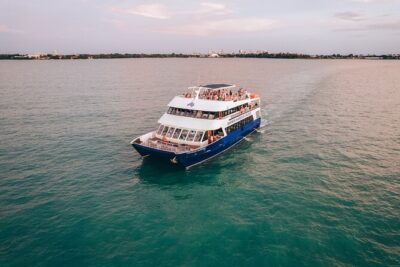
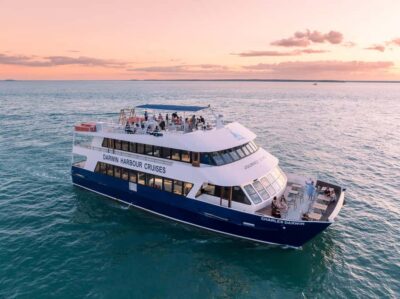
Darwin: Darwin Harbor Sunset Cruise with Buffet Dinner
Read our review →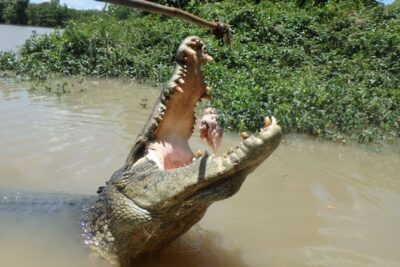
Darwin: Jumping Crocodile Adventure Cruise with Lunch
Read our review →
Darwin: Signature four course Sunset Dinner Cruise
Read our review →Browse the lists this tour appears in